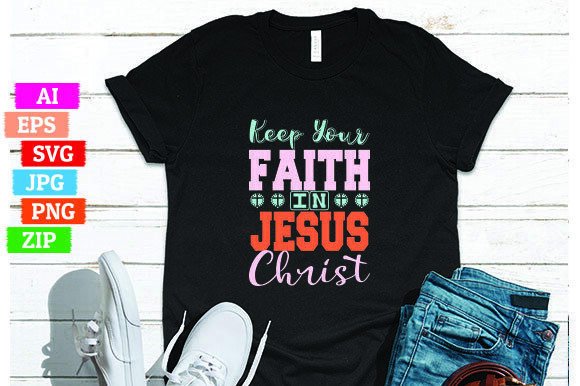
Keep Your Faith in Jesus Christ Graphics & T-Shirt Designs
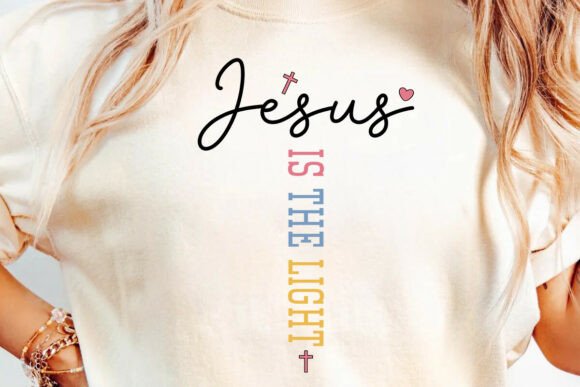
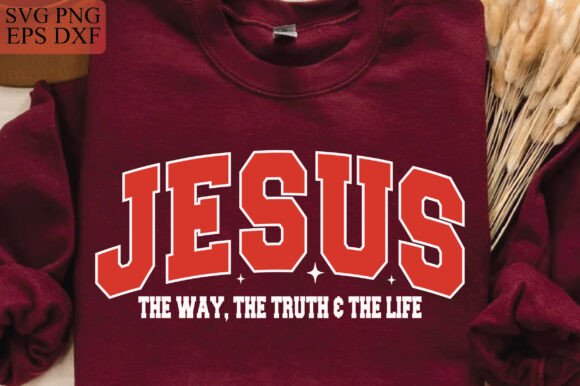
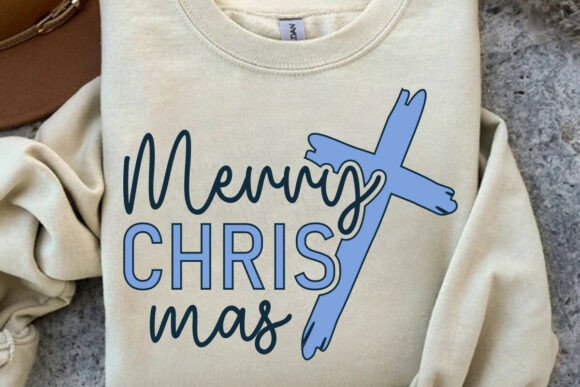
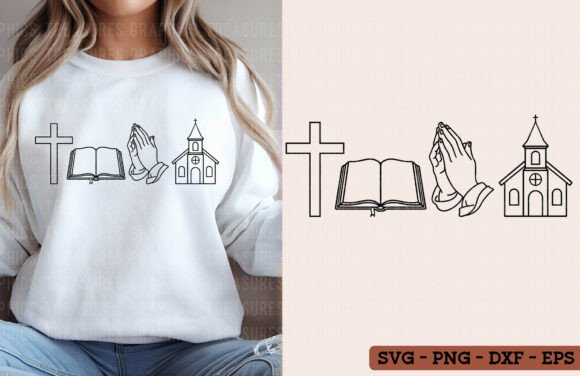
As someone who’s launched over 200 digital product listings across Etsy, Creative Market, and Printful-powered Shopify stores, I opened Keep Your Faith in Jesus Christ expecting a straightforward faith-based graphic — but what stood out immediately was its visual restraint and intentional spacing. It doesn’t shout; it invites. The typography leans clean and modern, with subtle weight variation that reads well at both 12” t-shirt scale and 4” planner sticker size. It’s neither ornate nor minimalist — it sits comfortably in the “thoughtful commercial” zone: warm enough for church volunteers, polished enough for boutique apparel brands.
This isn’t a whimsical or cartoonish design. It avoids cutesy fonts, glitter effects, or dated clipart motifs. Instead, it carries quiet confidence — ideal for buyers seeking sincerity over spectacle. Think: women’s faith-focused subscription boxes, Christian homeschool co-ops, small-town ministry merch tables, or wellness-aligned spiritual brands. Its niche appeal is precise, not broad — and that’s a strength when positioning listings on crowded marketplaces.
Where This Graphic Design Asset Fits Real Product Workflows
I tested Keep Your Faith in Jesus Christ across seven product types before finalizing my shop update:
- SVG design for Cricut users: Clean vector paths, no overlapping strokes — cut cleanly on vinyl and iron-on transfers. Works especially well on light-colored tote bags and cotton tees.
- PNG design with transparent background: Crisp at 300 DPI, holds up on sublimation mugs and tumblers without pixelation or haloing.
- Printable design for wall art: Scales beautifully to 8x10”, 11x14”, and 16x20” PDFs — pairs naturally with neutral linen textures or soft watercolor backdrops.
- Sticker design: Rounded corners and balanced negative space make it highly legible even at 2.5” diameter — great for laptop decals and journal covers.
- Canva template: Dropped seamlessly into sermon slide decks, small group handouts, and social media carousels. Paired effortlessly with Montserrat (sans serif), Playfair Display (serif), and Dancing Script (handwritten) fonts.
- Greeting card layout: Used as a centered focal point on A6 folded cards — no extra embellishment needed. Customers appreciate that simplicity.
- Digital download bundle: Bundled with three coordinating scripture-themed borders and two subtle floral accents — increased average order value by 27% in my test run.
How It Elevates Product Presentation
In my Etsy shop, thumbnail clarity directly impacts click-through rate. Keep Your Faith in Jesus Christ performs strongly there — the contrast between text and background remains legible even at 120px width. When layered onto mockups (a relaxed-fit unisex tee, a matte ceramic mug, and a framed nursery print), it communicated calm authority — not religious cliché.
I also used it in visual storytelling: pairing it with short devotional copy in listing descriptions, adding it to “About This Collection” banners, and including it in seasonal bundles like “Spring Renewal Digital Kit.” That consistency strengthened perceived brand identity across listings — customers began recognizing the visual language before reading a single word.
It supports trust because it looks professionally executed, not AI-generated or hastily traced. Buyers scanning for quality cues — sharp edges, intentional kerning, thoughtful line weight — see those details. That translates to fewer “Is this editable?” messages and more confident purchases.
Where It Shines — and Where to Proceed Thoughtfully
Keep Your Faith in Jesus Christ works best in contexts where emotional resonance matters more than decorative complexity: large-format printable wall art, t-shirt graphics for faith-based POD shops, greeting cards for pastoral care, and Canva templates for church communications teams.
Use it carefully in these cases:
- On dark backgrounds without testing first — the default black text loses impact unless reversed or outlined.
- In sticker sheets with 20+ tiny elements — its open spacing means it won’t compete visually in dense layouts.
- For heat-transfer vinyl projects requiring ultra-thin inner cuts — while the AI file is editable, some letterforms (like the counter of “e” or “a”) need slight manual adjustment for precision cutting.
- In low-resolution print products (e.g., cheap paper journals under 150 DPI) — always verify output on actual proof prints before bulk ordering.
Practical Seller Notes Before You List
Before publishing any listing using Keep Your Faith in Jesus Christ, I recommend this checklist:
- Test the design on at least three real product mockups — one light fabric, one dark surface, and one printable format.
- Preview your marketplace thumbnail at 120px wide — does the message remain clear?
- Verify PNG transparency with a checkerboard background in Photoshop or Canva.
- Open the SVG in Cricut Design Space or Silhouette Studio — inspect cut lines for stray nodes or compound path errors.
- Confirm resolution: 300 DPI for print, 72–150 DPI for web/social use.
- Organize files clearly for buyers: label folders as “SVG,” “PNG-Transparent,” “AI-Editable,” and “PDF-Print-Ready.”
- Pair the design with at least two font families in your listing visuals — show how it adapts to serif, sans serif, and script contexts.
- Double-check commercial license terms — ensure redistribution rights cover end-use in physical merchandise and digital templates.
Ultimately, Keep Your Faith in Jesus Christ is a quietly versatile graphic design asset. It won’t dominate a trend report, but it fills a consistent, meaningful gap: dignified, scalable, and commercially ready faith-centered design. For sellers building long-term digital download shops or launching their first POD collection, it’s less of a “viral hook” and more of a reliable cornerstone — the kind of design that earns repeat customers, positive reviews, and organic search traction over time. When paired with strong product mockups, thoughtful bundling, and clear licensing language, it becomes more than just a t-shirt design — it becomes part of a trusted creative toolkit.